DUI
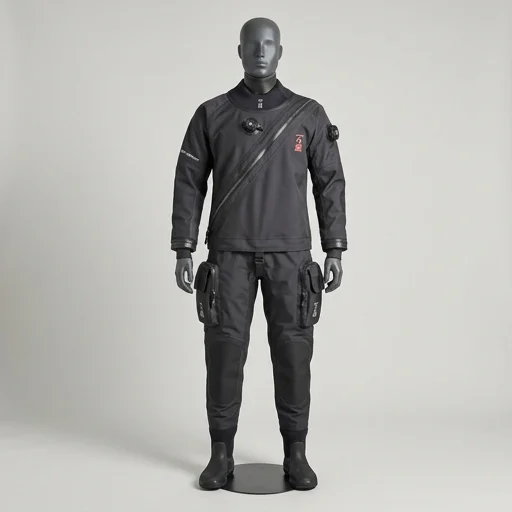
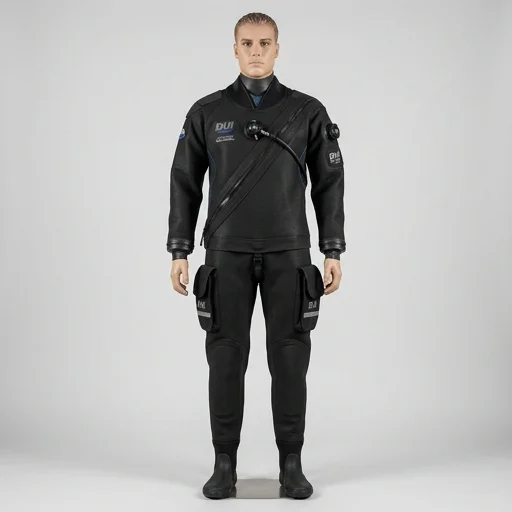
DUI CF200X Crushed Neoprene Drysuit
- Rugged crushed neoprene build
- Custom telescoping torso fit
- Superior cold-water insulation
As an Amazon Associate we earn from qualifying purchases.
3 mm over 2 mm Yamamoto limestone neoprene with a thermal-lined torso, glued blind-stitched and taped — warmth without the stiffness tax.
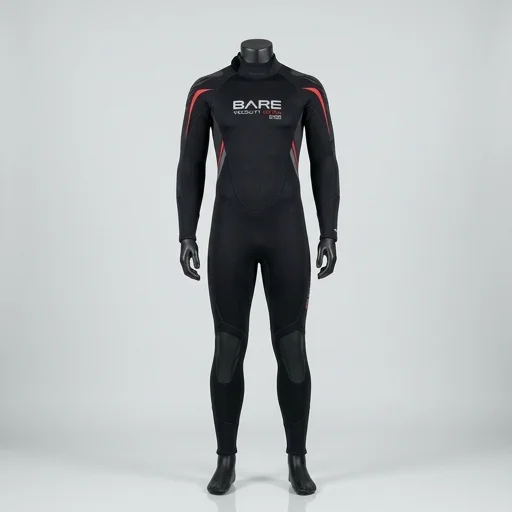
| Neoprene Thickness | 3mm/2mm |
|---|---|
| Material | Yamamoto Limestone Neoprene |
| Zipper Type | Back-entry YKK zip |
| Seam Construction | Glued, blind-stitched, taped |
| Available Sizes | XS-XXL |
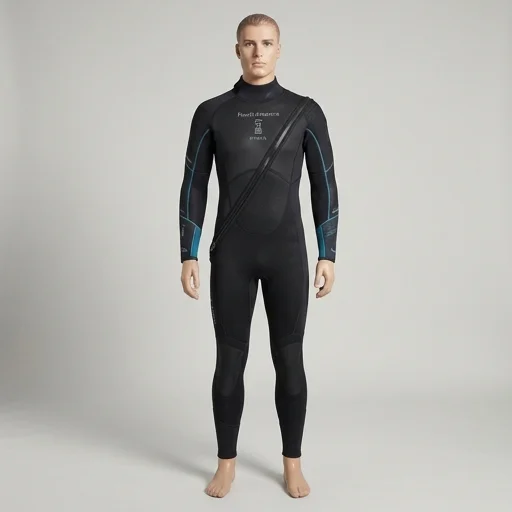
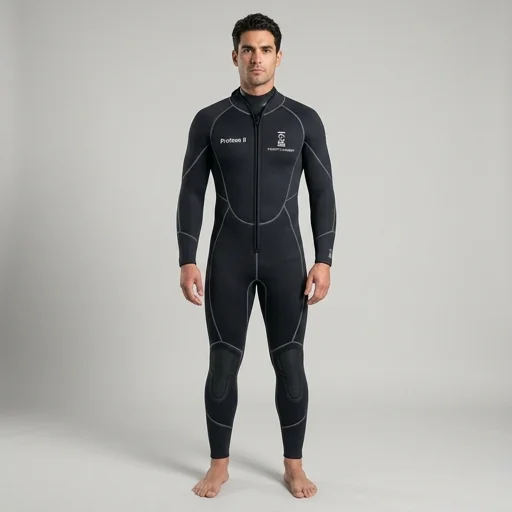
The Velocity Ultra is a 3 mm/2 mm wetsuit in Yamamoto limestone neoprene with a thermal-lined torso and pre-curved arms and legs. Seams are glued, blind-stitched and taped, which is the construction that keeps water out at the stress points. Back-entry YKK zip with a pull cord, sizes XS to XXL, reinforced knees.
Yamamoto limestone neoprene stretches further than standard petroleum-based foam at the same thickness, and that is what lets a thermally lined suit still move like a thinner one. The 3 mm/2 mm split puts warmth on the core and flexibility on the limbs. Sizing runs small and the stretch fabric fights you on the way in — check the fit carefully before ordering.
The Velocity Ultra is built from Yamamoto limestone neoprene rather than the standard petroleum-derived foam, and the practical result is stretch: the suit moves further for the same thickness, so shoulder and hip mobility survive the addition of a thermal lining. Thickness is graded 3 mm on the torso and 2 mm on the limbs, which puts insulation where core temperature is lost and flexibility where you need to reach valves, gauges and pockets.
Seam construction is the part that decides whether a wetsuit stays warm in its third season. This one is glued, blind-stitched and taped — three operations rather than a single flatlock stitch — so the needle never passes fully through the neoprene and water has no path through the seam. The torso carries a thermal lining that traps body heat, the arms and legs are anatomically pre-curved so the suit does not fight your natural posture, and reinforced knee pads take the wear from boat decks and rocky entries.
The zip is a corrosion-resistant YKK back-entry with a pull cord, which is easier to manage solo than most back zips. Two honest cautions. Sizing runs slightly small, and because the neoprene is high-stretch the suit is genuinely hard work to don when it is new and dry — allow time, and check the size chart against your measurements rather than your usual size. Colour options are limited, which matters to some divers and not at all to others.