Bare
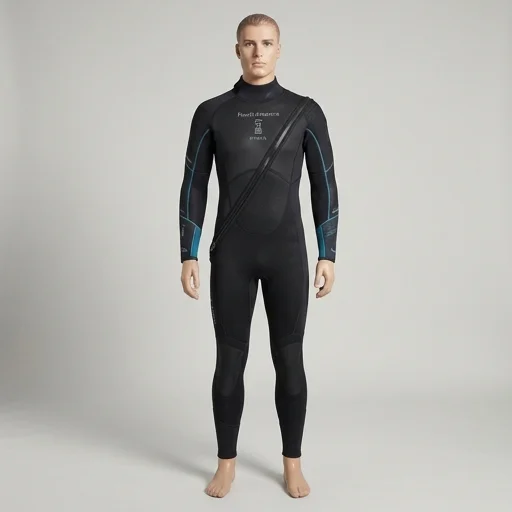
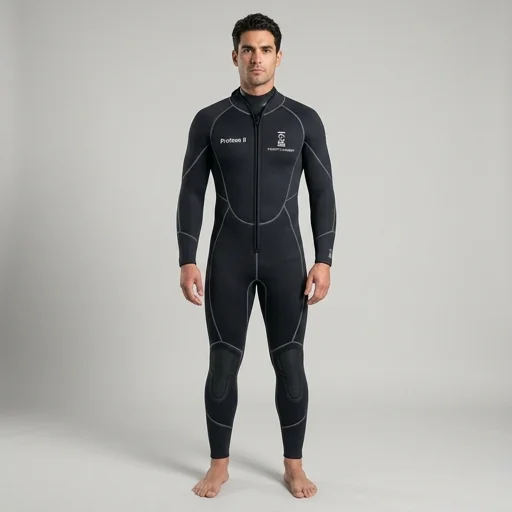
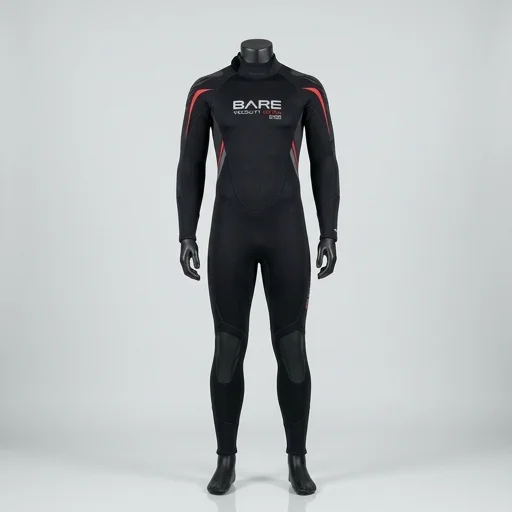
Bare Velocity Ultra Wetsuit
- Ultra-flexible neoprene stretch
- Superior cold-water warmth
- Durable reinforced seams
As an Amazon Associate we earn from qualifying purchases.
Crushed neoprene with Kevlar knees and seat, a telescoping torso and a US limited lifetime warranty — built to outlast the diver's interest in it.
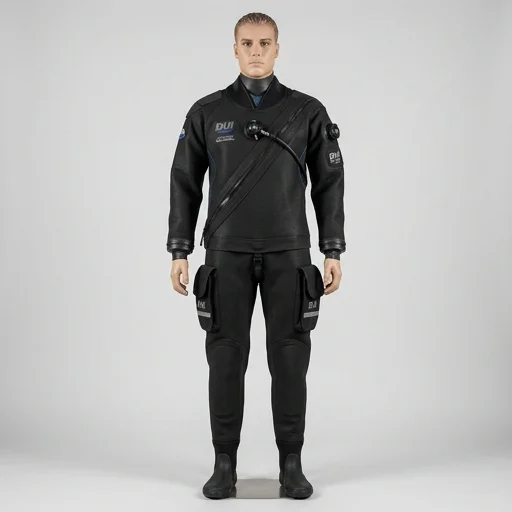
| Material | Crushed Neoprene |
|---|---|
| Seal Options | Latex or Neoprene |
| Entry Style | Front or Rear Zip |
| Reinforcement | Kevlar Knees & Seat |
| Warranty | Limited Lifetime (US) |
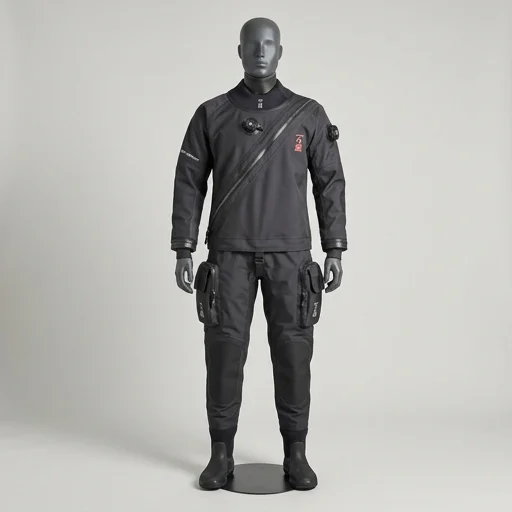
The CF200X is a crushed neoprene drysuit with Kevlar-reinforced knees and seat, a telescoping torso for fit across body shapes, and a choice of latex or neoprene seals with front or rear entry. Crushed neoprene compresses far less than foam, so buoyancy stays predictable at depth. DUI backs it with a limited lifetime warranty in the US.
Crushed neoprene is the reason to buy this suit: it resists tears and abrasion the way trilaminate does not, and unlike a membrane suit it keeps some inherent insulation even if a seal weeps. The telescoping torso means one suit fits a wider range of bodies and movements. It is heavier and bulkier than trilaminate, needs professional sizing, and takes time to break in.
Crushed neoprene is foam neoprene that has been compressed before the suit is built, and that single process choice drives everything the CF200X does well. Compared with uncrushed foam it barely compresses further at depth, so buoyancy stays predictable through a descent instead of shifting under you. Compared with trilaminate it resists tears and abrasion better and retains some inherent insulation of its own — which means a slightly weeping seal is an inconvenience rather than a dive-ending cold emergency.
The telescoping torso is DUI's answer to the fact that drysuits fit badly. It lets the suit accommodate different heights and a full range of reaching, kneeling and finning without the crotch binding, and it is why one suit can fit a wider range of body shapes than a fixed-torso design. Kevlar reinforces the knees and seat, the two panels that fail first on divers who kneel on boat decks and wreck plating. Seals can be specified in latex or neoprene, and entry as front self-donning or rear.
The suit is made in the USA and carries a limited lifetime warranty in that market, which is the strongest support in this category. Set against that: it is heavier and bulkier than a trilaminate shell, so travel is less pleasant; it really does want professional sizing rather than an online guess; the neoprene needs a break-in period before it softens; and its buoyancy characteristics differ enough from a membrane suit that you will need to redo your weighting rather than carry it over.