Bare
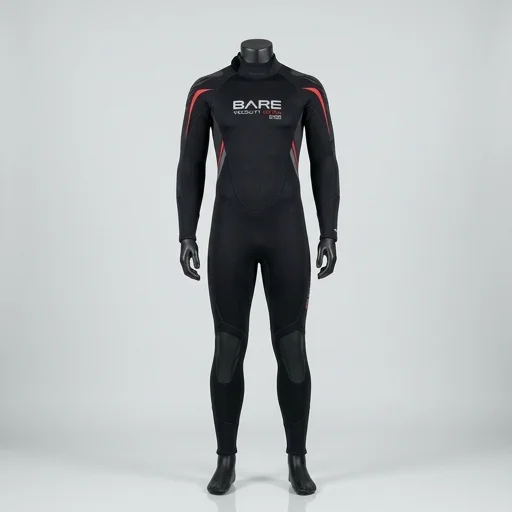
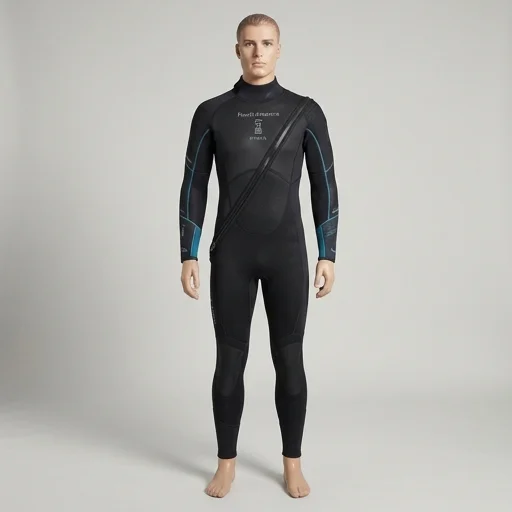
Bare Velocity Ultra Wetsuit
- Ultra-flexible neoprene stretch
- Superior cold-water warmth
- Durable reinforced seams
As an Amazon Associate we earn from qualifying purchases.
Yamamoto 39 limestone neoprene with a heat-reflecting Hydra fleece lining, in 3, 5 or 7 mm — rated honestly for 10–24°C.
| Material | Yamamoto 39 Limestone Neoprene |
|---|---|
| Thickness Options | 3mm / 5mm / 7mm |
| Lining | Thermal Hydra Fleece Lining |
| Seam Construction | Glued, Blind-Stitched, Taped |
| Recommended Water Temp | 10-24°C (50-75°F) |
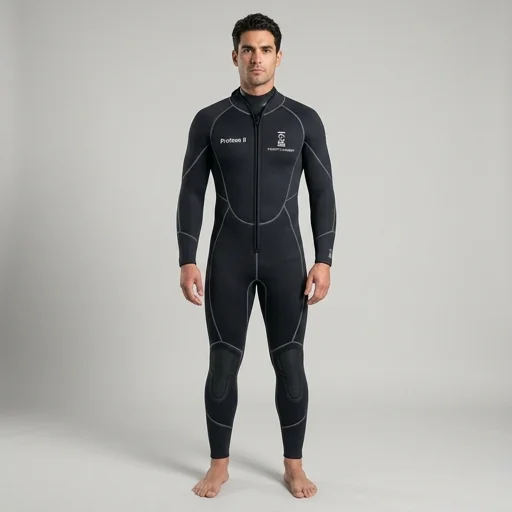
The Hydra uses Yamamoto 39 limestone neoprene with a thermal Hydra fleece lining that reflects body heat back at the diver, offered in 3 mm, 5 mm and 7 mm for water between 10 and 24°C. Panels are anatomically shaped and seams are glued, blind-stitched and taped. Knee pads are reinforced for shore entries.
Yamamoto 39 is the flexible end of limestone neoprene, and pairing it with a reflective fleece lining is how the Hydra stays warm without becoming a straitjacket. Three thicknesses mean you buy for your actual water rather than compromising. The lining is slow to dry, sizing runs snug on non-standard body shapes, and the price sits well above entry level.
Fourth Element builds the Hydra from Yamamoto 39 limestone neoprene, which is among the more flexible foams available at any given thickness and resists compression at depth better than cheap petroleum-based neoprene — so the suit keeps insulating on a deep dive rather than thinning out under pressure. Inside, the Hydra fleece lining does something a plain nylon lining does not: it reflects radiated body heat back toward the diver instead of letting it pass into the water.
The cut is anatomically panelled rather than cut from a generic block, which means fewer wrinkles and folds when the suit is on. That has two effects: less drag, and less water flushing through the folds where a poorly shaped suit lets cold water circulate. Seams are glued, blind-stitched and taped so the stitching never perforates the neoprene, and the knees are reinforced against the abrasion of shore entries over rock. Three thicknesses — 3 mm, 5 mm and 7 mm — cover the stated 10 to 24°C range properly.
The limitations are worth planning around. That thermal lining holds water, so the Hydra takes noticeably longer to dry than an unlined suit — a factor on back-to-back dive days or a liveaboard with limited hanging space. Sizing runs snug and the anatomical panelling that makes it fit so well on a standard build makes it less forgiving on an unusual one, so measure rather than guess. Colour choice is limited, and the price sits firmly above entry level.